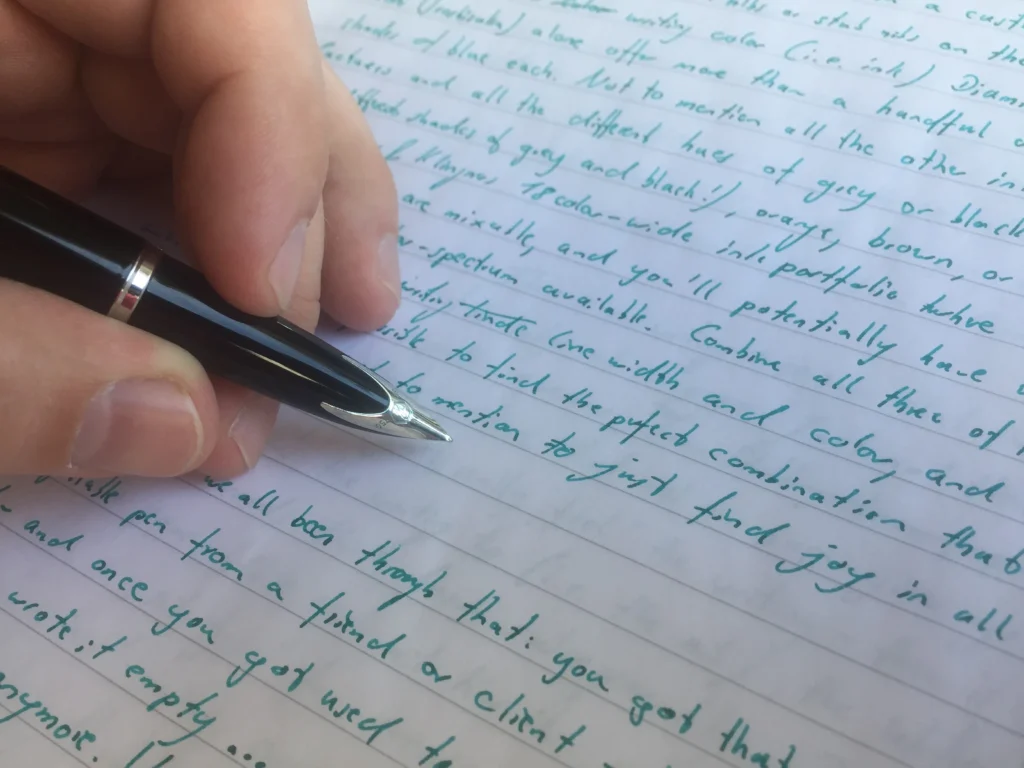
I keep thinking about this idea that we are all writing a story.
None of us fully controls the opening chapters. Some people begin life surrounded by stability, encouragement, safety, and opportunity. Others begin with chaos, neglect, poverty, addiction, abuse, loss, discrimination, instability, or trauma. Life is not fair in how it distributes suffering. Some children inherit support systems while others inherit survival strategies. But eventually, whether we realize it or not, we begin writing the next chapters ourselves.
That is where I sometimes struggle with parts of modern therapeutic culture. Increasingly, I see people become so consumed with explaining the pain of their early chapters that they unintentionally stop writing anything new. Their entire identity becomes organized around what happened to them, what they lacked, who failed them, or how unfair life has been. The informed trauma becomes the center of the story. The diagnosis becomes the main character. The injustice and oppression of their people become the plot. And after awhile, the book stops moving forward.
I have known people who spent decades talking almost exclusively about the first few chapters of their lives. They revisit them endlessly, analyze them endlessly, relive them endlessly, until eventually the pain of the past begins quietly writing the rest of the book for them. Sometimes learned helplessness settles in so deeply that they no longer believe meaningful change is even possible. They stop seeing themselves as the authors of their story and begin seeing themselves only as products of trauma, systemic oppression, or God’s wrath. That concerns me deeply because human beings are far more adaptable, resilient, and capable of transformation than our counseling culture often admits.
I think about my grandparents. They lost parents, siblings, children, friends, and opportunities. They endured overwhelming poverty, uncertainty, grief, and hard physical labor. Yet somehow, they kept writing. They did not spend every waking moment narrating how unfair life had been. They found meaning in family, work, faith, humor, song, community, gardens, front porches, storytelling, and responsibility. They carried pain, certainly, but pain was not the sole identity they presented to the world. And interestingly, many of the very strengths we admire in them and others are often forged in those very struggles.
Grit, determination, and passion rarely develop in comfort. Resilience usually grows through difficulty. Wisdom often emerges through suffering. Our family… our people survived adversity not because this hardship was good, but because overcoming hardship developed capacities within them that comfort alone rarely creates. We are here today because they overcame.
Ironically, I also see another pattern in modern culture. Some people who were given relatively safe and supportive opening chapters spend much of their lives apologizing for them. They become consumed with the idea that everyone must have equally pleasant beginnings or else the story itself is invalid. Social justice often becomes less about helping people build meaningful futures and more about endlessly correcting the emotional unfairness of the opening chapters.
Of course, we should reduce suffering where we can. Of course we should care about justice, opportunity, compassion, and fairness. But life will never distribute pain equally. The goal cannot simply be eliminating all struggle. Human beings also need purpose, responsibility, challenge, meaning, and the opportunity to overcome. With training and support, this opportunity fosters dedication and other character traits that lead to success and a map for future success for themselves, their family, and their community.
Sometimes I even think counselors and helpers can unintentionally contribute to the problem. In our desire to validate pain, we occasionally forget to help people connect their survival to their strengths. We acknowledge suffering without always helping people recognize the tools they developed while surviving it. We help people explain why they struggle, but not always how they can grow. Yet many people sitting in counseling offices right now have already demonstrated extraordinary resilience by simply surviving what they have.
The person who endured chaos may have developed adaptability. The neglected child may have developed sensitivity and awareness. The anxious person may possess tremendous empathy. The struggling student may develop persistence. The family that survived hardship together may carry loyalty and tenacity that wealth alone cannot teach. But people must eventually learn to use those tools intentionally.
I think about my own story sometimes. I was a high school dropout. I could have blamed my parents, lack of opportunity, a lack of an ADHD diagnosis, moving too often and more. Today, there would be endless language available to explain every barrier, distraction, limitation, or disadvantage. Some of those explanations may even be true. But if I had built my entire identity around those struggles, I doubt I would have moved very far forward. At some point, intentionality mattered more than explanation.
Everyone needs to stop staring exclusively at earlier chapters and decide what kind of story we want to write next. That does not happen through denial. It happens through responsibility, persistence, embarrassment, growth, setbacks, discipline, and meaning. With me, small successes created confidence and momentum. And momentum itself became transformative because success often breeds more success. That is one reason purpose matters so much.
People cannot live well if their entire identity is organized around suffering alone. Human beings need movement. They need responsibility. They need goals, meaning, contribution, connection, creativity, work, sacrifice, and hope. They need to believe the next chapter can still surprise them.
Good therapy, in my view, should absolutely acknowledge pain honestly. But it should also remind people that they still hold the pen. Not complete control, for sure. Life will always interrupt the plot. But enough control to choose courage over surrender, meaning over resentment, and growth over permanent identification with pain. Because the most hopeful truth I know is this: The opening chapters matter, but they do not have to become the ending.
Dr. Wesley
Dr. Wesley- I’m so glad to see you bringing this to the forefront. I tell my clients that trauma and the past are great references for the future. Use it for what it is there for- bring what you want to cherish with you and what you would never wish on another person…leave it in the past. I truly believe the only way to address trauma is “through”…you cannot go around, you cannot forget, and it won’t just fade away. But to let it define you as a person is a recipe for a lifetime of disappointment. We all have our own versions of trauma, and it lives in the perspective of our life lens. I do believe we can all benefit from acceptance and healing, not for perfection, but for that scar that is always present and that reminds us of who we are and where we come from in life.
Totally agree Sarah. Thanks so much. Marty
Thank you for everything you write! It always makes perfect sense.
Thanks Renae!