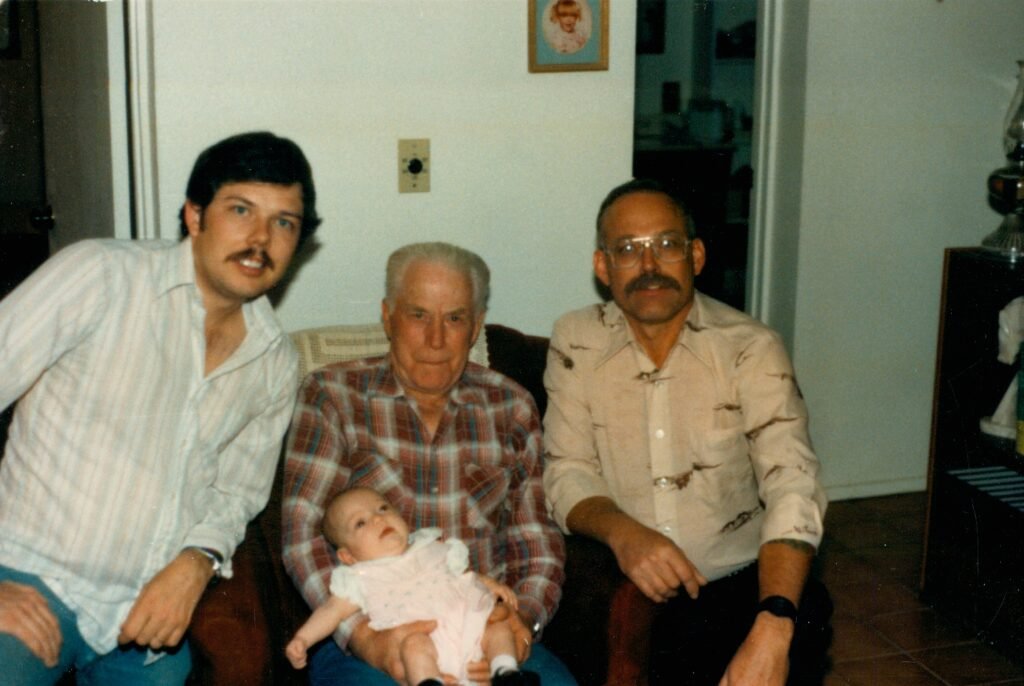
As some of you know, I often write about lessons I learned from my parents, grandparents, mentors, clients, students, and friends. (See the latest – https://wesleyphd.com/sometimes-gifts-come-back-to-us/) I have been incredibly blessed with wise people in my life, and I am deeply grateful for them. But lately I have been thinking about something else. That equation is incomplete without the observing, listening, introspective, and inquisitive student.
The reason I learned so much from my grandparents and mentors was not simply because they were wise. It was because I watched them closely, listened, and asked questions. I thought about what they said, and I paid attention to how they lived.
When my grandpa was getting older, I remember asking him, “Are you afraid of dying?” That was not an easy question, but I wanted to understand how he saw the world near the end of life.
When I watched my grandma cooking in the kitchen, I eventually realized something important. The joy she received was not really from the labor itself. It came from knowing people appreciated what she had made. The meal was love made visible.
Those lessons did not come through formal lectures or family meetings. They came through curiosity, observation, and long conversations.
When I was younger, someone once told me that every person needs three kinds of relationships in life. First, you need a Paul, someone older and wiser who can mentor and guide you. I have been fortunate to have many. People like Larry Sexton, Neresa Minatrea, John Rigney, and others. My parents and grandparents fit this category. None of them was perfect, but perfection is not the requirement for wisdom.
Second, you need a Barnabas, good peers who walk beside you through life. People you can call when things are hard, confusing, or joyful. I have been blessed there, too, with friends and colleagues like Laura Schmuldt, Dan Shearer, David Whittinghill, and others who have encouraged me more than they probably realize.
But I was also told that everyone needs a Timothy. Someone younger. A learner. Maybe even a Padawan Jedi of sorts. As a professor, I hope some of my experience, humor, perspective, and skills transfer to my students over time. But like most parents and grandparents, I also hope my children and grandchildren are watching and listening too. And I know they are, at least to some degree.
Still, I sometimes wish they had the same inquisitiveness and observational curiosity I had as a child. Often, when I ask how things are going, I get the standard answer, “I’m fine.” But I want more than status reports. I want stories and questions. I want conversations that wander and linger. I want to know how they really see the world.
I think one of the quiet sadnesses of growing older is realizing you finally have decades of experience and perspective to share, but fewer people seem interested in sitting long enough to receive it. We live in a world full of endless distractions. TikTok, gaming, scrolling, noise, constant stimulation. None of those things is inherently bad. We all need escape and entertainment sometimes. But when distraction becomes our primary way of living, we slowly lose the art of noticing people and miss the wisdom and gifts they are willing to share. Wisdom rarely comes in 30-second clips.
It usually comes sitting on the porch swing, riding in an old truck, watching a baseball game, walking through the woods, or listening to somebody tell the same story for the tenth time until suddenly, years later, you finally understand what they were trying to teach you.
As I was thinking about this recently, I noticed something interesting in the wisdom literature of Proverbs. Over and over, the writer says things like, “My son, hear the instruction of thy father,” or “Hear, my son, and receive my sayings.”
What struck me is that Proverbs is not simply about wisdom. It is about relationship. There is the teacher, and there is the student. There is the father, and there is the son. The wisdom only continues if someone is willing to listen. The teacher is incomplete without the learner. The father is incomplete without the child who is curious enough to ask questions, observant enough to notice, and humble enough to consider the lessons being offered.
Maybe that is also part of the quiet ache of growing older. You finally have stories, scars, perspective, mistakes, and wisdom worth sharing, but wisdom cannot simply be downloaded into another person. It must be sought by them too.
And perhaps that is why I am so grateful I learned early in life to watch carefully, listen deeply, ask questions, and pay attention to the people around me.
Dr. Wesley