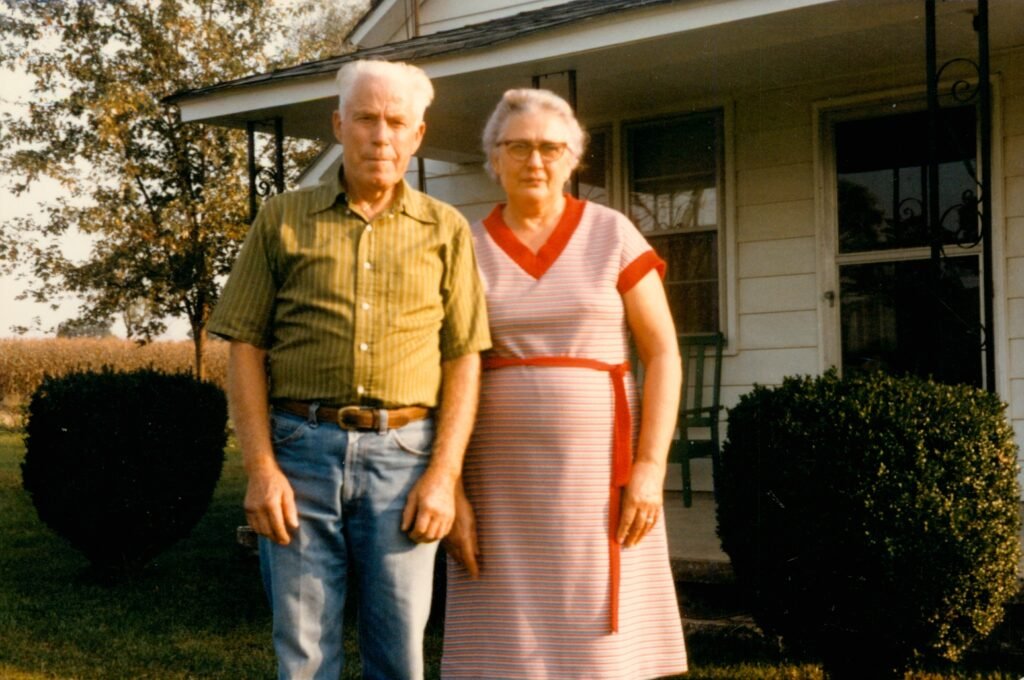
When I was growing up, a vacation usually meant one thing: family. We did not take many trips in the modern sense. We were not loading up the car to go to resorts or booking rooms months in advance. If we were going somewhere, it was usually to see grandparents, uncles, aunts, and cousins. Family was the real attraction
Sure, there might be stops along the way. Maybe a roadside diner, a scenic overlook, or some little place somebody had heard about. But the real destination was always somebody’s home, usually my grandma and grandpa’s farm.
And when you got there, there was never a question of where you would stay. You stayed there. That was just understood. Nobody asked if you had booked a hotel. Nobody suggested a motel down the road. In fact, doing that might have been seen as rude, almost like saying, I’d rather pay money than be with you. Family made room. If the house was full, it did not matter. Cousins doubled up in beds. Sometimes three or four of us piled into one room. Somebody got the couch. Somebody slept on old quilts on the floor. If needed, kids gave up their beds for adults. That was just part of it. And strangely enough, it never felt like sacrifice. It felt normal.
Looking back, what strikes me most is that many of these family members did not have much money, nor did they live in large homes. My grandparents certainly did not. Like so many Kentucky families of that generation, they knew how to stretch everything and waste nothing. Food was grown, canned, traded, and carefully used. Nothing was wasted, yet somehow there was always enough for one more plate at the table, or ten. They may not have had much by today’s standards, but there was always enough when family came.
Nobody talked about being inconvenienced. Nobody worried much about square footage or not having air conditioning. There was an understanding that family belonged to one another, and belonging meant making room.
And when family gathered, you did not just sit around as a guest. You joined in. Not because you were earning your keep, but because that is what family did. We all shared in the work and the fun. I remember shucking corn, stringing green beans, and helping Grandpa bring in the cows. I can still see myself sitting beside Grandma on the porch, in one of her aprons, stripping popcorn from the cob as fast as the adults, proud just to be included. The work itself became part of the memory, teaching us that family was not just something you belonged to; it was something you participated in.
I remember the sounds of it all. The screen door spring is expanding and then slamming. Adults talking late into the night. The smell and sounds of bacon popping in a cast-iron skillet. Cousins and friends whispering and laughing when we were supposed to be asleep. Somebody snoring in the next room. Kids running in and out of the house all day like the door revolved on its own.It was crowded, loud, and imperfect. It was home.
And in those moments, character was being built, though I did not know it at the time. Giving up your bed taught you sacrifice. Sharing your food taught generosity. Being around older relatives taught respect. Being squeezed into uncomfortable spaces taught patience. Learning to entertain yourself without a screen taught imagination. Listening to family stories taught identity. You learned who your people were.
One memory that still stays with me is meeting one of my great-grandmothers before she died. I was probably five or six years old. She was frail, nearly a hundred years old, skin and bones. To me, she looked ancient and frail, and I remember being scared. But I was expected to walk over, hug her, and give her a kiss. That was my responsibility. At the time it felt awkward, even frightening. But now, I treasure that memory. Because when I look at genealogy charts and see her name, she is not just dates on a page. She is real to me. I touched her hand. I saw her face. I heard her voice. That matters.
It makes me wonder what has changed in our society. Families today often seem more careful, more guarded, and more private. More scheduled and unable to sit for a while. We love one another, but often from a distance. When family visits now, there is often an unspoken understanding that they will get a hotel. Sometimes the offer to stay is not even made. Sometimes it is made out of politeness, with both sides knowing it will not happen.
We have more than 3 times the space that our grandparents ever had, but in some ways we make less room. Less room in our homes. Less room in our schedules, and unfortunately, even less room in our hearts.
I am not saying the old days were perfect. They were not. Families had their problems then too. But there was something powerful about that old way of living. It forced connection. It forced patience, character, and a sense of identity. And maybe that is what made it work.
The floor was hard. The beds were crowded. The bathrooms were busy. But the memories were rich. Sometimes I think the greatest luxury we had back then was not comfort. It was closeness. And maybe that is the thing we can least afford to lose.
Dr. Wesley