There’s a saying that goes, “The best sermons are lived, not preached.”
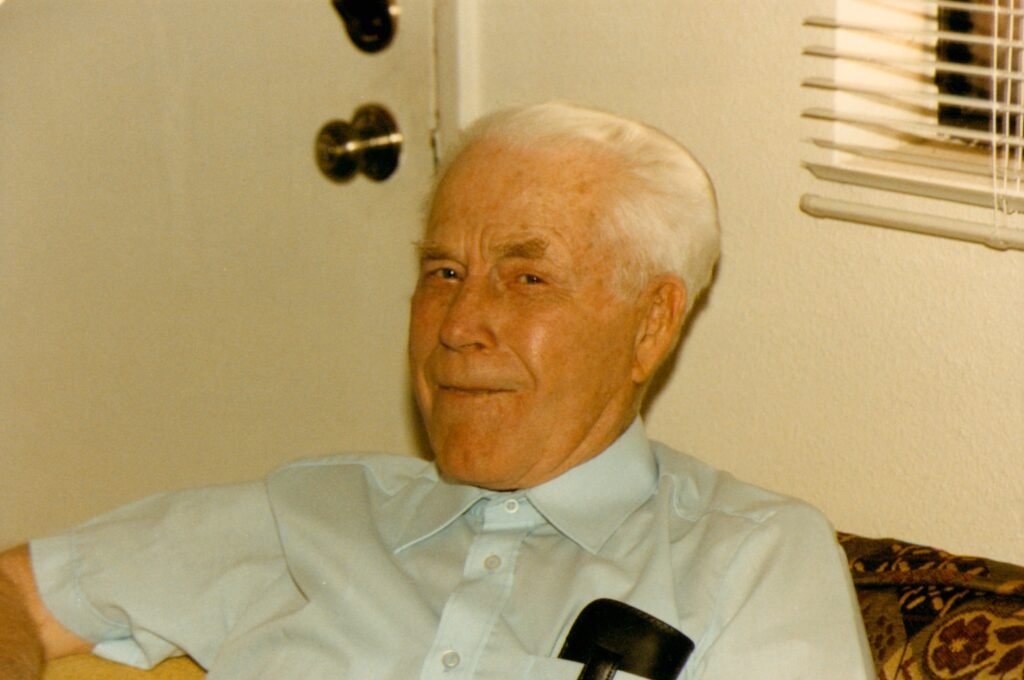
It means that actions speak louder than words, that integrity is found not in what we say, but in how we live. In my family, there’s no better example of this than my grandfather, Cortez Wesley.
He never wrote a book or led a ministry. He never filled an auditorium or went on tour. But he lived his life with such quiet conviction that his actions spoke volumes. He owned a small tobacco base, like many farmers in his Kentucky community. Tobacco was a dependable crop, a livelihood that kept food on the table when times were hard. But after watching what smoking had done to people he loved, my grandfather made a personal decision: he would never grow or sell it.
He didn’t condemn anyone else who did. He didn’t preach about it or post his views. He just lived them. Quietly. Consistently.
Everyone in town knew where he stood. They respected him not because he demanded it, but because he earned it. His life was steady, his word was good, and his conscience was clear. That kind of moral clarity doesn’t require an audience. It just requires courage; the courage to do the right thing even when no one’s keeping score.
The Contrast
Ravi Zacharias once wrote, “I have little doubt that the single greatest obstacle to the impact of the gospel has not been its inability to provide answers, but the failure on our part to live it out.”
It’s a powerful truth, and a painful irony. Because after his death, evidence surfaced that the man who spoke so eloquently about moral integrity lived a private life that betrayed the very gospel he defended. His words were sharp; his life was divided.
I don’t bring that up to shame him… his story is already public and tragic, but it’s a sobering reminder of how easy it is to mistake eloquence for integrity. Charisma for character. Knowledge for wisdom.
My grandfather never had a platform. He just had a plow, a conscience, and a faith that didn’t need applause to feel real. He didn’t say, “Live it out.” He simply did.
Walking the Talk
As I reflect on my own life journey and my work as a counselor, I keep returning to this truth: the distance between what we say and what we do determines our credibility.
Authenticity isn’t about perfection. It’s about consistency. It’s about letting your choices, relationships, compassion, and daily discipline align with the values you claim to hold. When those things fall apart, no amount of theology, eloquence, or apologetics can cover the cracks.
Ravi Zacharias attempted to teach the world to defend truth. My grandfather embodied it. And that’s the sermon I want to live.
The Takeaway
In therapy, I often remind clients that healing doesn’t come from what we promise ourselves, it comes from what we practice. The same is true in faith. Christianity doesn’t need better arguments; it needs better examples.
My grandfather’s life reminds me that integrity isn’t loud. It doesn’t trend or tour. It just shows up every day and keeps its word.
That’s the kind of life I want to leave behind… not one built on clever answers, but one proven by a life that quietly matches its message.
Dr. Wesley