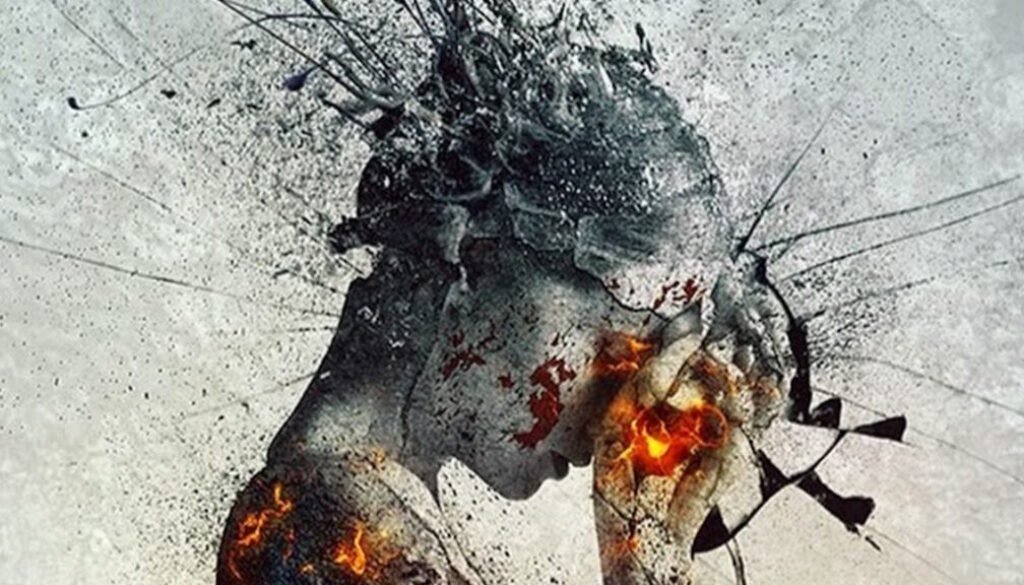
We are living in the best of times, yet we behave as though we’re living through the worst.
A hundred years ago, most people had never felt the luxury of a hot shower. They bathed in tin tubs with water heated on a stove, often shared by the whole family. Toothpaste, antibiotics, and refrigeration were novelties. Life expectancy hovered around thirty-five years for most of human history. People worked, suffered, and endured because that was simply what life required.
Today, we live longer, safer, more comfortable lives than any generation before us. We can summon food to our doorstep with a phone app. We have air conditioning, clean water, modern medicine, and an average lifespan approaching eighty years. We can video chat with someone across the globe while sitting in a climate-controlled car that drives itself.
And yet, we are fragile.
We drown in anxiety, depression, outrage, and discontent. We are convinced that our lives are uniquely hard.
The paradox is staggering… we have fewer wars, less violence, and more comfort than at any point in human history, yet we’ve become allergic to discomfort itself. A raised voice, a tough boss, or the sting of disappointment can now feel like trauma. We’ve mistaken hardship for harm, and we are paying the price in resilience.
Real Hardship, Real Resilience
My grandmother Zoni was only five years old when her father, William Elmore, died while coon hunting in the Kentucky hills. He was half-blind but loved the hunt; it gave him pride, purpose, and a few extra dollars from the pelts he sold. One night, he slipped and fell from a cliff.
That single moment reshaped her family’s life. At five, Zoni couldn’t grasp the weight of it, only the ache of absence. the missing laughter, the empty chair, the silence of a man who once filled their small home with warmth.
Her mother eventually remarried, and Zoni’s new stepfather stepped into the void with quiet strength. He wasn’t her biological father, but he became her protector. He took care of her, her mother, and her siblings with a steady hand and a kind heart. Zoni’s story could have been one of grief and bitterness. Instead, it became one of gratitude and grace.
Resilience, for her, wasn’t about suppressing pain—it was about accepting the next chapter when the story changed. She learned early that loss doesn’t mean you’re forsaken, and that sometimes life sends you new people to help carry the load.
Then there was my grandmother, Doreen. In the hills of Kentucky, the land itself can bless and break you. She was the oldest of seven and worked beside her father in the barn when tragedy struck. Their plow horse had trapped its foot in a stall. As her father freed it, the frightened animal kicked him square in the chest. The blow proved fatal.
With her father gone, the family faced ruin. He had been their provider, their anchor. The weight of survival fell on Doreen, her mother, and the younger children. They could have given up, surrendered the farm, and scattered. Instead, they got to work.
My grandmother and her siblings labored long days on their own land and took extra jobs at neighboring farms. It was grueling, dirty, exhausting work, but it kept the family together and the farm from foreclosure. They endured.
Doreen’s resilience wasn’t abstract; it had dirt under its nails and blisters on its hands. It wasn’t something she learned in therapy; it was forged in hardship, duty, and love.
The Modern Paradox
Contrast that with our current culture. We live with luxuries our ancestors couldn’t imagine, yet we crumble under the weight of inconvenience. We speak of “trauma” when our Wi-Fi drops, or a text goes unanswered.
Somewhere along the line, the mental health field, my own field, contributed to this. We built an entire philosophy around being “trauma-informed,” and while that’s noble in intent, it’s become the lens through which everything is viewed.
Not every wound is trauma. Sometimes it’s just life.
A parent yelling doesn’t equal abuse.
A breakup isn’t always a betrayal.
Failure isn’t always evidence of harm.
By trying to protect everyone from pain, we’ve accidentally taught people that pain is proof that something went wrong. But sometimes pain means you’re growing. The lesson of previous generations, my grandmothers included, was that suffering is part of the curriculum, not a malfunction in the design.
Counselors as Elders and Sages
As counselors, maybe it’s time we return to a role closer to that of the village elder or sage, someone who has seen life, endured its losses, and can say with steady assurance: you can survive this, too. Our task isn’t only to soothe wounds, but to strengthen souls. We need to remind people that meaning often grows from struggle, that pain and purpose are intertwined.
Maybe the next evolution of our field shouldn’t be trauma-informed; it should be resilience-informed.
Because the truth is simple:
Life will break your heart, but it will also rebuild it stronger.
We don’t need more diagnoses.
We need more courage, gratitude, and grit.
The best of times deserve the best of us.
Dr. Wesley